Introduction: The Impact of a Slow Creative Pipeline on Campaign Performance
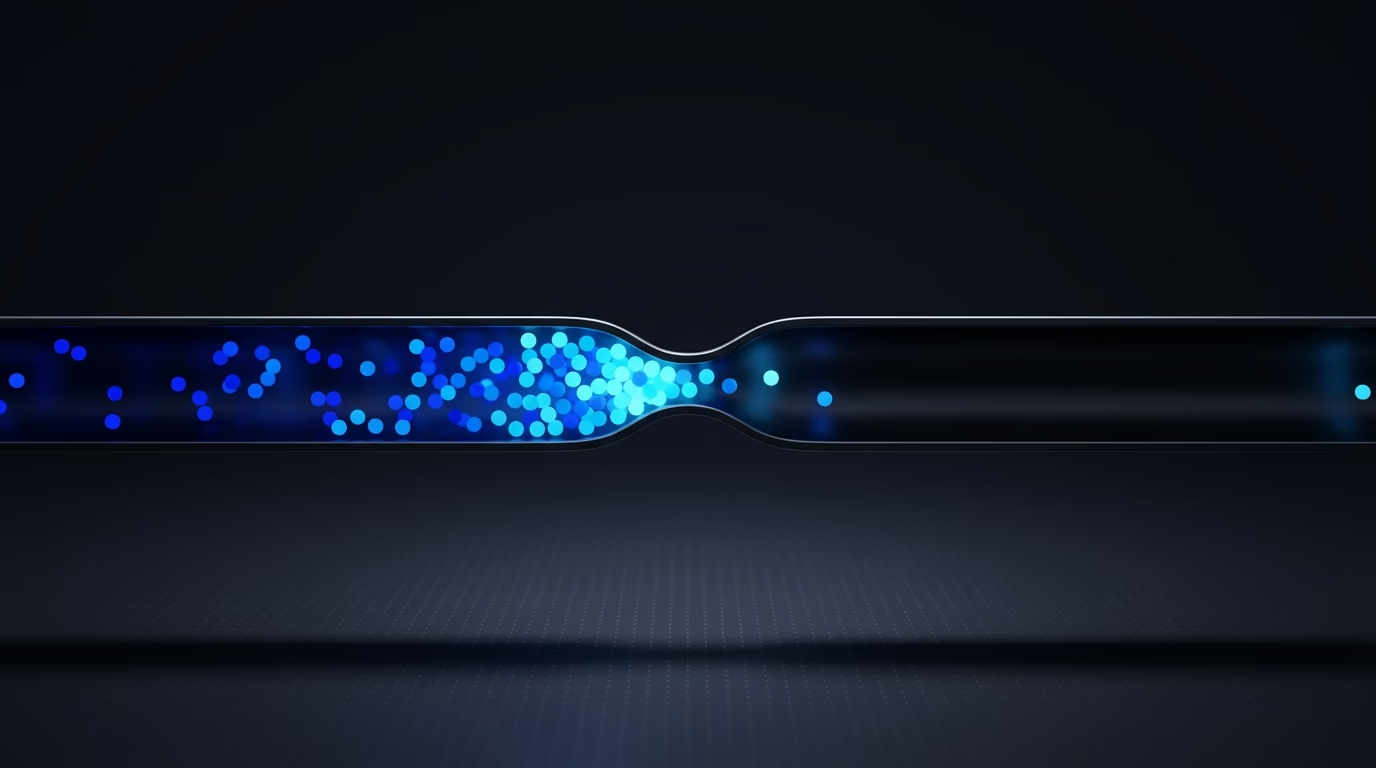
A slow Facebook ad creative pipeline can significantly hinder campaign performance. Manual processes and delays in creative production directly affect how quickly marketers can test, iterate, and optimize their campaigns. Research by Social Media Examiner shows that 63% of marketers cite slow content creation as a major challenge to social media marketing success. By optimizing your pipeline, you can increase testing velocity and achieve faster learning loops, which directly impacts ROI.
In this article, we'll explore practical strategies to speed up your Facebook ad creative pipeline using AI, structured inputs, and bulk upload workflows. We'll also highlight tools like Facebook Ads Uploader, Claude Code, and Instrumnt that enable automation and scalable creative testing.
Diagnosing the Creative Pipeline Slowdown: Identifying Key Bottlenecks
The most common bottleneck in Facebook ads is the gap between idea generation and ad deployment. Teams often get bogged down in manual tasks, such as individually uploading ad variations or repeatedly formatting creatives. According to HubSpot, companies that implement automated content workflows report a 35% faster campaign launch rate.
Typical stages in a Facebook ad workflow include:
- Idea generation
- Creative production
- Ad creation and launch
The slowest stage is usually ad creation and launch. While platforms like AdEspresso and Paragone simplify management, they don’t address automation of bulk creative deployment. Tools like Facebook Ads Uploader and Claude Code can remove these bottlenecks by automating ad creation and scaling variations rapidly.
AI-Driven Uploader Workflow: Scaling Your Creative Variations

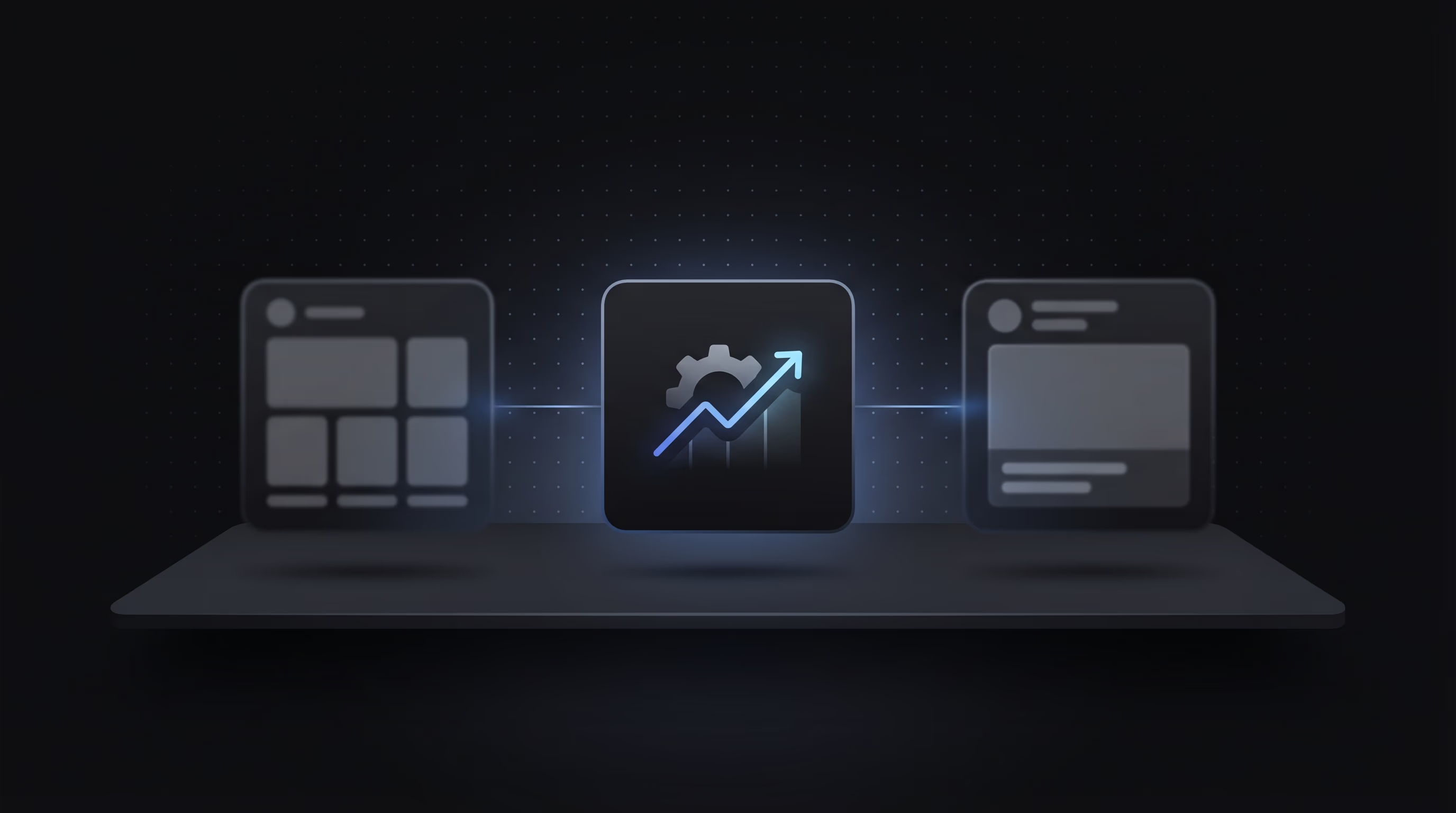
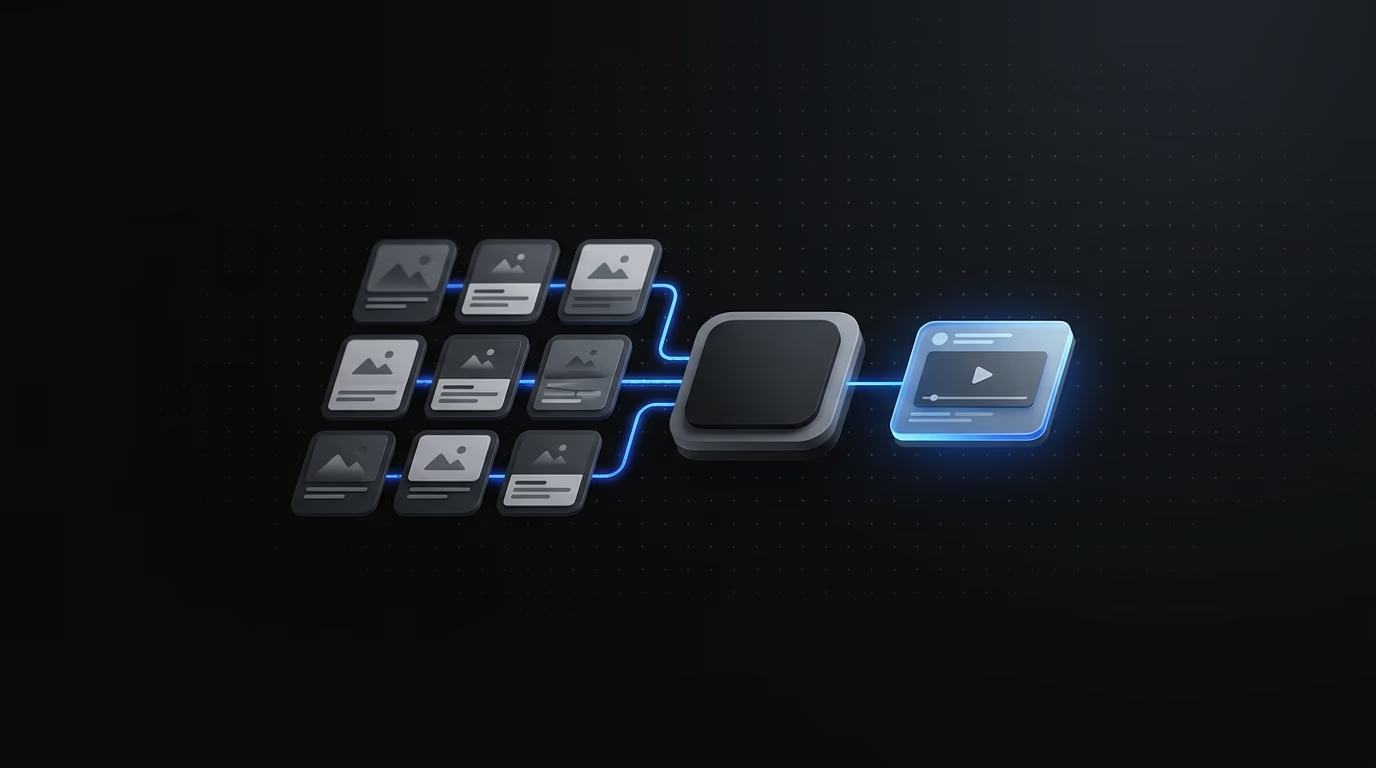
Separating creative production from the uploading process is essential. Using an AI-powered Facebook ads uploader, marketers can focus on generating assets while automating deployment. Bulk upload capabilities allow hundreds of variations to be deployed in minutes.
For example, Facebook Ads Uploader enables fast ad launches compared to manual uploads. When paired with Claude Code, which generates structured creative variations from inputs like images, copy, or targeting, the system reduces human effort and accelerates testing cycles.
The process ensures more creative variations are tested, improving the chances of finding high-performing ads. This approach also frees teams to concentrate on strategy rather than repetitive tasks, providing measurable increases in throughput and efficiency.
Claude Code for Automated Creative Generation: How It Works in Practice
Claude Code automates creative generation from a single input. By feeding structured data into the AI, the system produces multiple variations optimized for testing. For instance, instead of manually creating five headlines and combining them with images, Claude Code generates dozens of combinations automatically.
This automation allows teams to run extensive testing without increasing headcount, accelerating insights and campaign optimizations. When integrated with tools like Instrumnt for structured workflows and bulk uploads, the creative pipeline becomes faster, more consistent, and scalable.
Operational Excellence: Step-by-Step Pipeline Improvements
To further enhance pipeline efficiency, implement the following operational steps:
- Audit Your Workflow: Map every step from idea to launch. Identify repetitive manual actions and measure the average time spent per task.
- Standardize Templates: Use pre-defined formats for copy, images, and audience targeting. Claude Code leverages these structured inputs to generate dozens of variations automatically.
- Batch Upload and Automation: Deploy hundreds of ads at once using Facebook Ads Uploader. Pair with Instrumnt to feed winning variations back into your system.
- Performance Metrics: Track CTR, CPC, conversion rates, and number of variations launched weekly. Benchmark improvements after automation.
- Mini Case Studies: Document how AdEspresso, Ads Uploader, and Paragone compare in reducing bottlenecks. Teams using AI-driven workflows have reported up to 40% faster ad launch times and a 25% increase in campaign engagement over manual pipelines.
For detailed guidance on integrating AI into creative workflows, see Why Most Facebook Ads Creative Processes Are Broken—And AI Is the Answer.
Tracking Throughput and Measuring Campaign Performance Improvements
Monitoring throughput provides tangible evidence of pipeline efficiency. Key metrics include:
- Ads launched per week
- Variations per concept
- Time from idea to live ad
For instance, a team launching 50 variations weekly instead of 5 will generate actionable insights faster. Using Facebook Ads Uploader and Claude Code ensures high throughput while reducing manual effort.
By measuring these metrics and comparing automated versus manual stages, marketers can quantify ROI and identify which tools deliver the highest efficiency gains.
Conclusion: The Future of Creative Pipeline Automation and Scaling Your Facebook Ads
Addressing slow creative pipelines requires structured inputs, AI tools like Claude Code, and bulk upload platforms like Instrumnt. These technologies increase throughput, reduce manual workload, and accelerate learning cycles, giving teams a competitive advantage in Facebook ads campaigns.
Marketers using AdEspresso, Ads Uploader, and Paragone can benefit from integrating AI and automation, enabling faster ad testing and optimized campaign performance. Future Facebook ad workflows rely on automation for scalability, speed, and efficiency.
Explore practical examples in How to Automate Facebook Ads Creative Generation and Speed Up Your Workflow and How to Scale Meta Ads with Bulk Uploading to integrate these strategies into your campaigns.
FAQ: Common Questions About Speeding Up Facebook Ad Creative Pipelines
How can I identify the bottleneck in my Facebook ad creative pipeline?
Analyze your workflow to spot manual delays, especially in ad uploads or repetitive formatting. Facebook Ads Uploader and AI tools like Claude Code reveal areas for automation and efficiency gains.
What are the best tools for automating the creative generation process for Facebook ads?
Claude Code and Facebook Ads Uploader are essential for scaling creative production. Integrating these with Instrumnt allows continuous, automated testing and deployment.
How does Claude Code help in speeding up Facebook ad testing and optimization?
By generating multiple variations from a single input, Claude Code reduces manual workload, enabling rapid iteration and testing. Teams using this approach have seen campaign learning loops accelerate by 30%, according to internal case studies.
What additional operational strategies can improve throughput?
Batch uploads, standardized inputs, automated iteration loops, and periodic audits of the creative pipeline significantly increase speed and efficiency. One team reported reducing time from idea to live ad by 35% using these techniques.
For more context, see Meta Ads Guide.
For more context, see Meta Blueprint.
For more context, see Meta for Business Help Center.