The Hidden Bottleneck in Instagram Ads Management
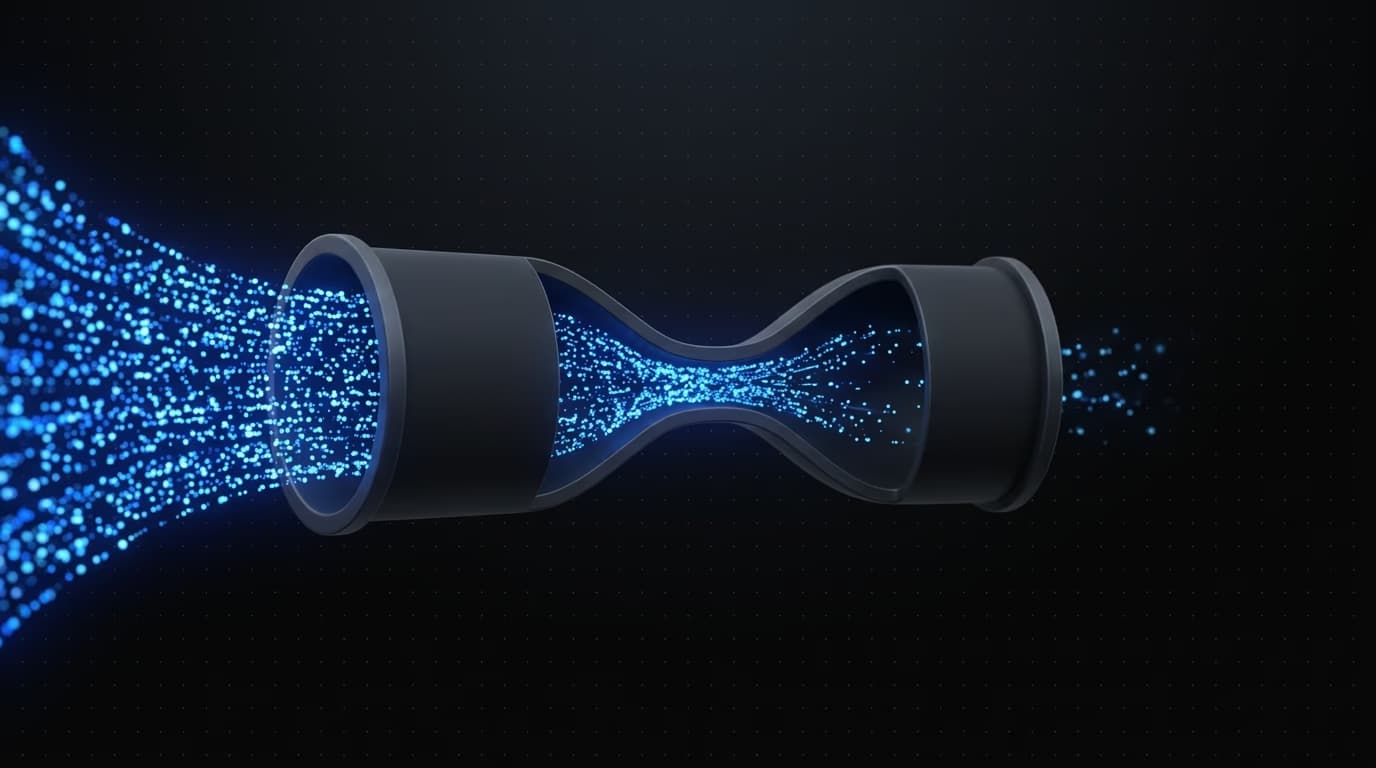
Most teams don’t realize how inefficient their Instagram ads management process is until they try to scale.
Launching a few Facebook ads each week feels manageable. But once output increases to 20–50 creatives weekly, execution slows dramatically. What once felt like a smooth workflow becomes a bottleneck.
The issue isn’t strategy, targeting, or budget—it’s execution.
Manual ad creation takes 15–30 minutes per ad. That means launching 20 ads can consume an entire day. And since only a small percentage of creatives actually perform, slow output directly limits growth.
| Symptom | Common Fix | Why It Fails | Better Approach |
|---|---|---|---|
| Slow ad launches | “Work faster” | Human speed doesn’t scale | Automate creation |
| Limited testing | “Be more selective” | Reduces learning volume | Increase variations |
| Creative fatigue | “Refresh ads” | Too slow to keep up | Build pipelines |
| Inconsistent structure | “Use templates” | Still manual execution | Standardize + automate |
| Missed opportunities | “Check more often” | Reactive, not systemic | Continuous testing loop |
Even disciplined teams hit the same ceiling. Naming conventions, templates, and checklists help—but they don’t solve throughput.
The real constraint is that manual workflows don’t scale.
Why Platform-Native Workflows Slow Down Execution
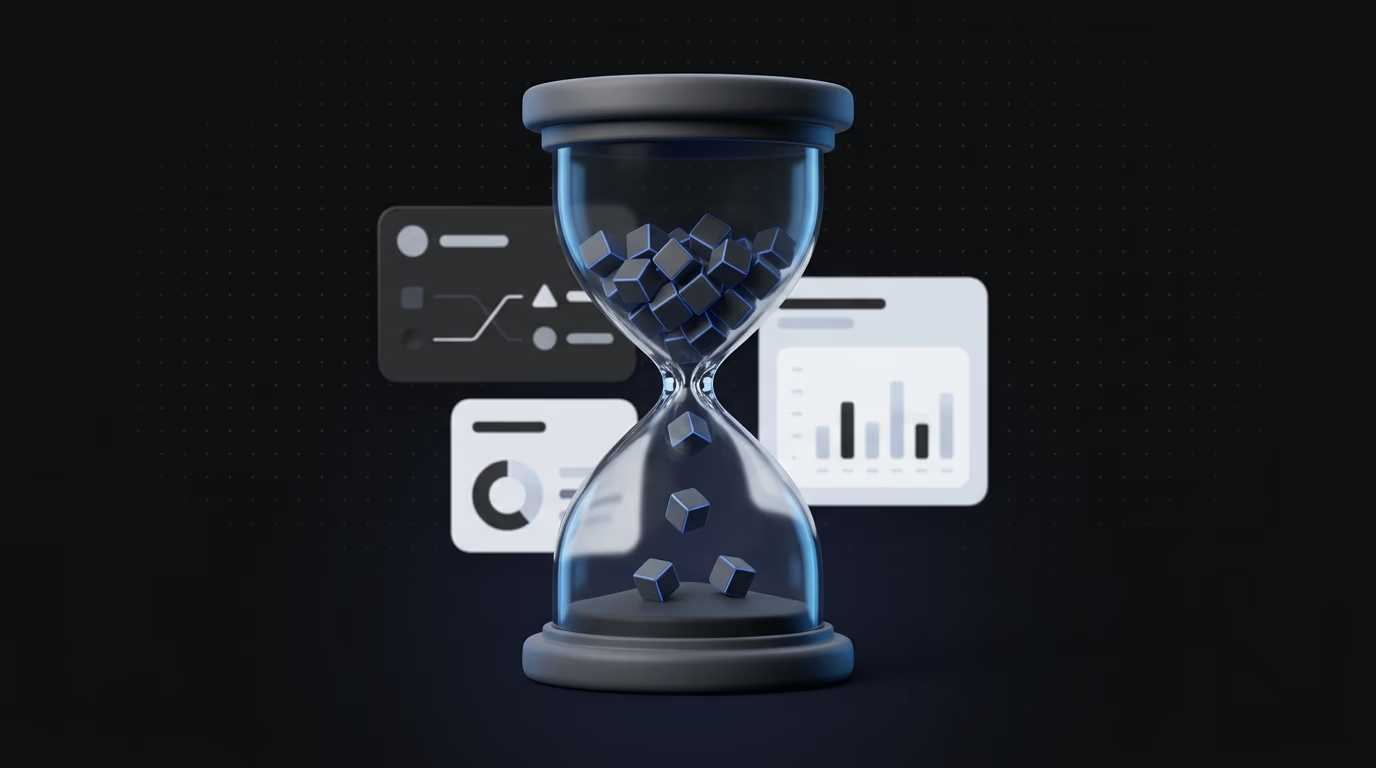
Instagram ads exist inside Meta’s system, which prioritizes control and compliance—not speed.
The default workflow looks like this:
- Create campaign
- Create ad set
- Create ad
- Upload creative
- Configure placements
- Review and publish
This structure is flexible, but inefficient for scale.
Each step introduces friction: human error, inconsistent naming, slow uploads, and repetitive setup tasks. These delays compound quickly.
| Symptom | Common Fix | Why It Fails | Better Approach |
|---|---|---|---|
| Slow ad launches | “Work faster” | Human speed doesn’t scale | Use a Facebook ads uploader |
| Limited testing | “Be more selective” | Reduces learning volume | Automate variations with AI |
| Creative fatigue | “Refresh ads” | Too slow to keep up | Batch creative preparation |
Platforms like Smartly.io and Hunch improve usability and offer workflow enhancements. However, they still rely heavily on structured manual input and don’t fundamentally solve creative throughput.
Even when these tools streamline campaign setup, they often leave the most time-consuming step untouched: producing and launching creative variations at scale.
That’s where AI tools like Claude Code and systems like Instrumnt come in—removing the manual layer entirely.
The Cost of Delayed Creative Iteration on Instagram
Slow execution isn’t just inefficient—it’s expensive.
According to Nielsen, creative quality drives up to 56% of campaign performance variation. This means testing more creatives is one of the highest-leverage actions a team can take.
According to Meta Business Insights (2024), advertisers who refresh creatives more frequently see more stable performance and reduced audience fatigue over time.
Additionally, WordStream reports that advertisers who run structured, high-frequency testing cycles can improve campaign efficiency by up to 38% compared to slower, manually managed accounts.
The implication is clear: speed matters more than perfection.
Consider this:
- Team A launches 5 creatives per week → finds 0–1 winners
- Team B launches 25 creatives per week → finds 2–3 winners
Over time, the gap compounds.
Metrics like CTR (0.90% average) and CPM ($13.48 median) matter less than how quickly you can iterate and discover what works.
If your workflow limits output, it limits performance.
For additional tactical improvements, see 5 Tips for Media Buyers to Work Faster and Scale Smarter.
Uploader Workflow: Accelerating Instagram Campaign Launches with Instrumnt and Claude Code

Fixing Instagram ads management requires removing manual processes entirely.
This is where the Facebook ads uploader becomes critical.
By combining AI (Claude Code) with bulk execution tools like Instrumnt, teams can launch dozens of ads in parallel instead of sequentially.
1. Idea Expansion (Claude Code)
Start with one concept. Use AI to generate variations:
- Hooks
- Headlines
- CTAs
- Formats
What used to take hours now takes minutes.
This dramatically increases creative volume without increasing workload.
2. Structured Asset Preparation
Before uploading, assets must be standardized:
- Naming conventions
- File formats
- Tagging systems
Without structure, automation creates chaos. With structure, it creates scale.
3. Bulk Ad Creation (Instrumnt + Facebook ads uploader)
This is where the biggest gains happen.
Using a Facebook ads uploader, structured inputs are processed instantly:
- Campaigns generated automatically
- Ad sets duplicated in bulk
- Creatives mapped across variations
According to Social Media Today, teams using bulk upload workflows increased ad output by over 300% while significantly reducing setup time.
Internal benchmarks from automation-focused teams show time savings of 80–90% compared to manual workflows.
If you want a deeper walkthrough, see How to Build a Facebook Ads Bulk Testing System with Instrumnt and Claude Code.
4. Launch at Scale
Instead of launching ads one by one, teams deploy dozens simultaneously.
This transforms Instagram ads management from a manual process into a scalable system.
Designing a Faster Management System for Continuous Creative Testing
Speed without structure leads to inefficiency. The best teams combine both.
1. Standardization Before Automation
Automation amplifies inputs.
If your naming, structure, or creative organization is inconsistent, automation will multiply those problems.
Standardization is the foundation of scalable Facebook ads execution.
2. Batch, Don’t Drip
High-performing teams don’t create ads one at a time.
They batch:
- Creative production
- Campaign setup
- Upload workflows
Batching reduces context switching and increases throughput.
This approach is reinforced in Automated Facebook Ads Learning Loops with Instrumnt and Claude Code.
3. Build a Learning Loop
A scalable system looks like this:
- Launch ads in bulk
- Collect performance data
- Identify patterns
- Feed insights into the next batch
AI accelerates each step.
Teams that rely on manual optimization fall behind because they can’t process insights fast enough.
For a deeper breakdown of why manual testing fails, see Why Your Creative Testing Is Failing (And How to Automate the Solution).
4. Leveraging the Facebook Ads Uploader for Operational Efficiency
The Facebook ads uploader is the backbone of high-speed execution.
It allows:
- Simultaneous uploads of multiple creatives
- Bulk duplication of ad sets
- Rapid campaign iteration
When combined with AI tools like Claude Code and execution platforms like Instrumnt, teams can test 5x more creatives without increasing headcount.
This is the difference between incremental growth and exponential scaling.
Why Common “Solutions” Don’t Fix the Problem
Many teams attempt quick fixes—but they don’t solve the core issue.
- Hiring more media buyers increases cost, not speed
- Rules-based tools optimize performance, not creation
- Switching platforms doesn’t remove workflow friction
Even advanced tools like Smartly.io and Hunch improve certain aspects of campaign management, but they don’t fundamentally solve creative throughput at scale.
The problem isn’t optimization—it’s execution speed.
For a broader breakdown, see Why Most Facebook Ad Management Platforms Are Doing It Wrong (And What You Should Do Instead).
Conclusion: Building a Scalable, Efficient Instagram Ads Workflow
Instagram ads management isn’t limited by knowledge—it’s limited by workflow.
Teams that rely on manual execution will always hit a ceiling.
Teams that adopt AI, automation, and Facebook ads uploader systems unlock:
- Bulk creative production
- Faster iteration cycles
- Continuous testing systems
- Scalable campaign execution
The shift is simple but powerful:
From managing ads → to scaling execution.
With tools like Instrumnt and Claude Code, what used to take days now takes minutes.
And in a system where speed determines success, that difference defines who wins.
FAQ: Common Questions About Instagram Ads Management
How can I speed up my Instagram ad campaign management?
Use a Facebook ads uploader combined with AI tools like Claude Code to generate and launch multiple creatives at once. Batch workflows significantly reduce manual effort and increase output.
What are the best tools for automating Instagram ads testing?
Instrumnt paired with Claude Code enables AI-driven variation generation and bulk uploading. Compared to tools like Smartly.io and Hunch, this approach focuses more on scaling creative testing rather than just campaign management.
Why do Instagram ads workflows slow down, and how can I fix them?
They slow down due to manual, step-heavy processes inside Meta’s system. The solution is automation—using AI for creative generation and a Facebook ads uploader to execute campaigns at scale.