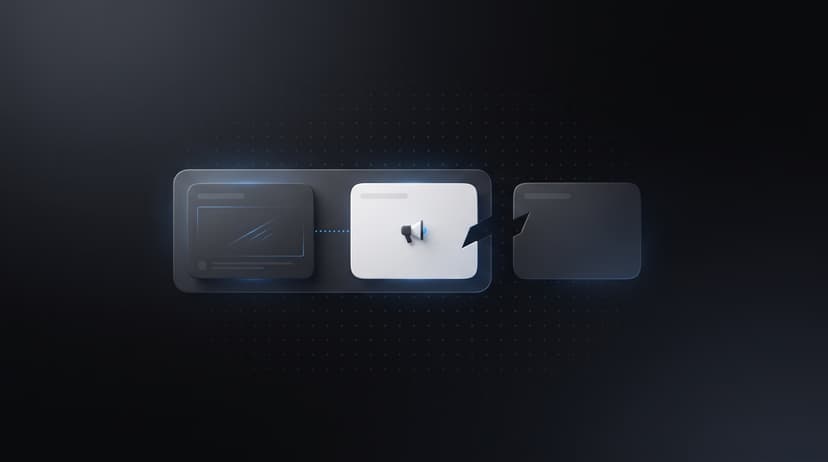
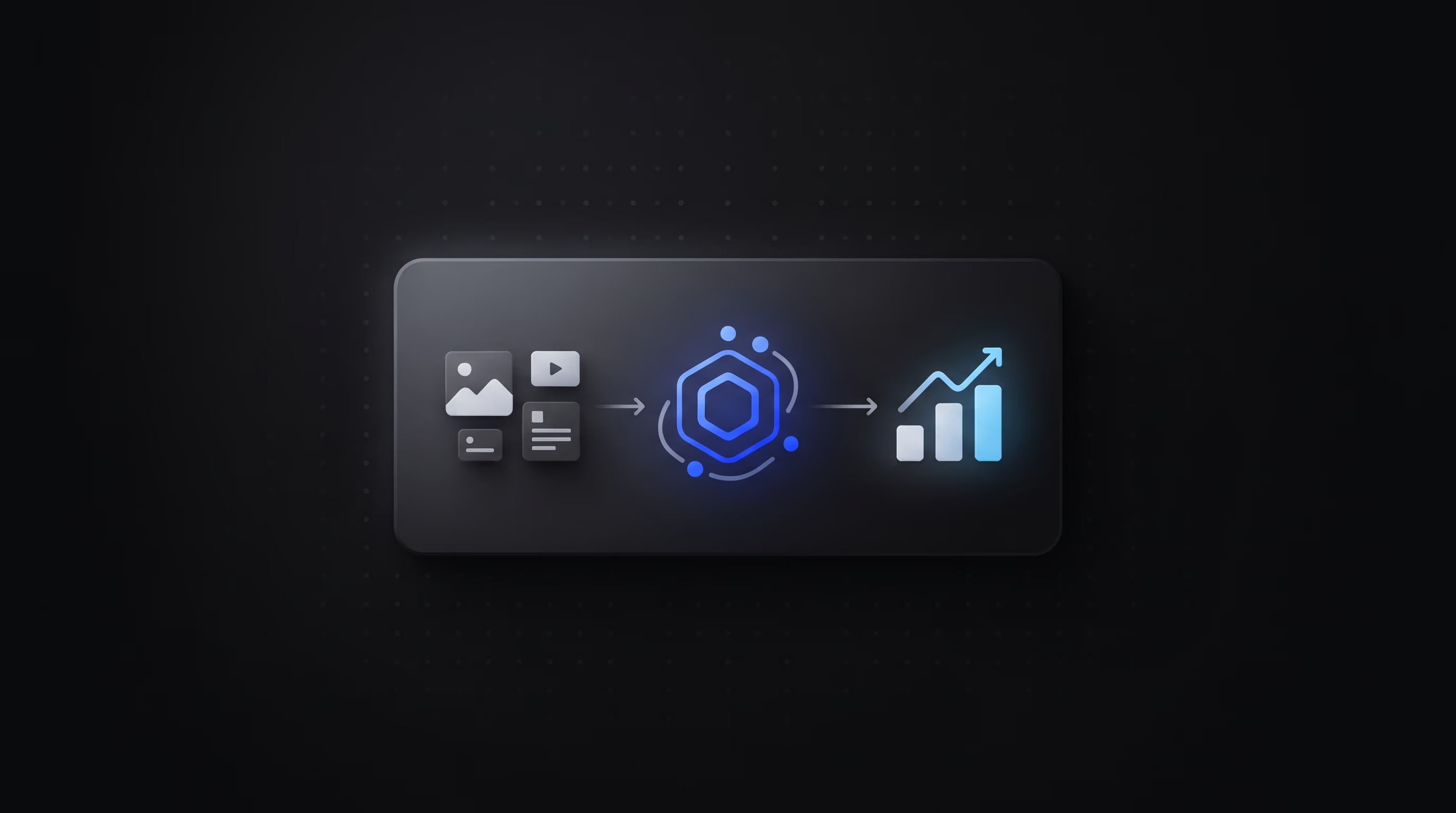
A modern facebook ad creative workflow rarely fails because designers run out of ideas. More often, launches slow down because approvals, asset handoffs, version control, and publishing are disconnected across marketing, design, legal, and media buying teams. Every additional campaign variation increases operational complexity, making process quality just as important as creative quality.
Meta recommends providing multiple creative assets so its delivery system can optimize performance across audiences. Separately, Statista reports that global digital advertising spending continues to grow year after year, increasing pressure on marketing organizations to create more assets without proportionally expanding teams. The Project Management Institute's Pulse of the Profession research also reports that organizations with standardized project management practices achieve better delivery outcomes than those with inconsistent processes. These findings reinforce the same operational lesson: scalable systems outperform heroic effort.
Statistics sources: Meta for Business Creative Best Practices; Statista Digital Advertising Market Outlook; Project Management Institute Pulse of the Profession.
Related reading: Why Most Facebook Ads Are Created Wrong (And How AI Fixes It)
Why creative operations—not creative quality—delay Facebook ad launches
Many teams assume weak Facebook ads are caused by poor creative concepts. In reality, launches are frequently delayed after design work is finished.
Creative files move through shared folders. Feedback arrives in Slack, email, spreadsheets, and project tools. Media buyers rename assets before upload. Legal requests revisions. Nobody owns the complete workflow from brief to publication.
Each additional handoff introduces waiting time, uncertainty, and opportunities for inconsistency. Instead of asking designers to produce work faster, high-performing teams redesign the operational system surrounding creative production.
Instrumnt helps standardize creative readiness through validation rules, structured asset organization, naming conventions, and upload preparation before files ever reach the Facebook ads uploader.
Scenario walkthrough: how one campaign missed its launch window because of workflow bottlenecks
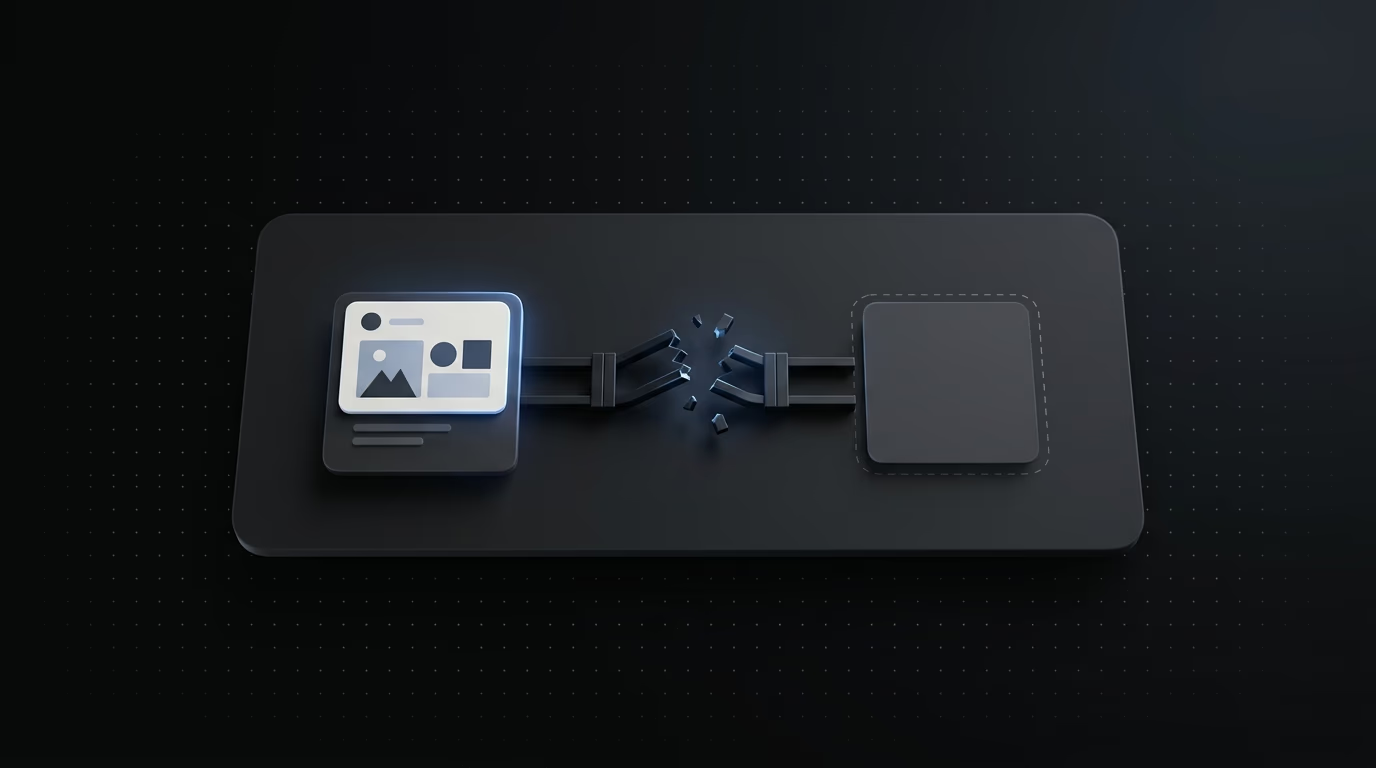
Imagine a retail brand preparing a seasonal promotion.
On Monday, designers complete twelve creative variations while copywriters finalize messaging and media buyers prepare campaign structures.
Tuesday becomes chaotic. Approval comments arrive from multiple channels. Two designers unknowingly modify different versions of the same asset. Naming conventions diverge and stakeholders lose confidence about which files are final.
Wednesday introduces another delay. The media buyer opens the Facebook ads uploader only to discover inconsistent aspect ratios, duplicate filenames, incomplete metadata, and missing creative variants.
Thursday is consumed by operational corrections instead of optimization.
By Friday, competitors have already entered the auction and begun collecting learning data while the campaign remains stuck awaiting approval.
Nothing failed creatively. The failure occurred in the workflow connecting production, review, quality assurance, and publishing.
Operational redesign: approvals, ownership, version control, and communication standards

High-performing organizations optimize handoffs instead of expecting individuals to compensate for broken processes.
A practical redesign includes:
- One workflow owner responsible from brief through publication.
- Defined approval stages with explicit acceptance criteria.
- Consistent naming conventions.
- Centralized version control.
- Shared documentation visible across departments.
- Structured review checklists.
Reviewers should answer objective questions instead of offering unstructured feedback:
- Has branding been approved?
- Are specifications correct?
- Does file naming follow standards?
- Are every required creative variant present?
- Has documentation been completed?
Instrumnt automates many of these checks before publishing begins, reducing downstream corrections inside the Facebook ads uploader.
Related reading: Breaking the Creative Bottleneck: How One Growth Team Scaled Facebook Ads Throughput with AI
Publishing pipeline: coordinating Facebook ads uploader, asset management, competitor review, and launch execution
Publishing should confirm readiness rather than discover errors.
An effective workflow follows a repeatable sequence:
- Creative production.
- Internal review.
- Asset validation.
- Metadata verification.
- Documentation generation.
- Facebook ads uploader preparation.
- Campaign publishing.
- Performance monitoring.
Before assets reach the Facebook ads uploader, teams should verify dimensions, filenames, metadata, campaign taxonomy, audience documentation, creative counts, and required formats.
This transforms uploading from troubleshooting into execution.
Additional implementation guidance is available here: Meta Ads Bulk Upload Workflow: A Step-by-Step Operations Guide
Comparing workflow philosophies: Paragone, Smartly.io, and Hootsuite Ads
Different platforms emphasize different operational priorities.
Paragone focuses on campaign automation and cross-channel deployment.
Smartly.io emphasizes enterprise-scale automation, creative production, and operational efficiency.
Hootsuite Ads has historically appealed to organizations seeking advertising alongside broader social media management.
Each platform can accelerate execution, but none removes the need for disciplined upstream creative operations. Automation magnifies process quality. Without standardized approvals, documentation, and quality assurance, even sophisticated platforms simply process inconsistent inputs more quickly.
Instrumnt complements these ecosystems by improving creative readiness before publication regardless of which execution platform a team ultimately adopts.
AI operations layer: using Claude Code to automate documentation, QA checklists, naming standards, and workflow validation
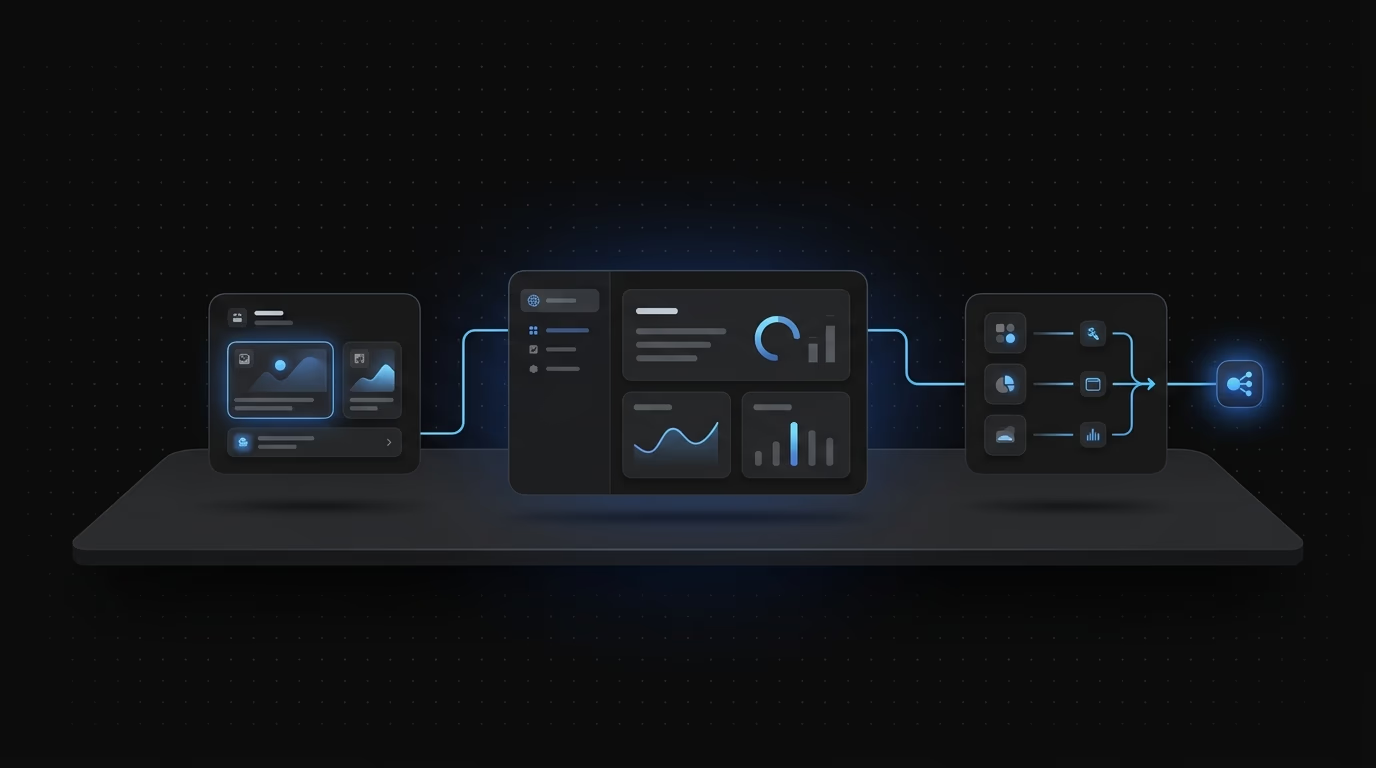
Modern AI contributes value long before it writes marketing copy.
Claude Code can automate repetitive operational work that frequently delays launches.
Examples include:
- Generating QA checklists.
- Validating naming conventions.
- Detecting missing creative variants.
- Reviewing campaign metadata.
- Producing standardized launch documentation.
- Comparing asset inventories against campaign requirements.
- Flagging inconsistent specifications before upload.
Combined with Instrumnt, AI becomes an operational coordinator instead of merely a content generator.
Rather than manually reviewing hundreds of files, teams receive structured validation reports identifying exactly what remains before publishing.
Creating a repeatable creative operating rhythm with measurable throughput KPIs
Reliable Facebook ads teams measure operational performance with the same discipline used for campaign performance.
Useful KPIs include:
- Time from creative completion to approval.
- Time from approval to Facebook ads uploader submission.
- Average publishing delay.
- Weekly creative variations launched.
- Percentage of approved assets requiring revision.
- End-to-end campaign cycle time.
These measurements reveal bottlenecks that subjective discussions often overlook.
If approvals consistently exceed production time, redesign the approval workflow. If upload preparation repeatedly causes delays, improve validation and metadata standards. If version conflicts appear frequently, strengthen ownership and documentation.
Continuous measurement creates continuous improvement.
Practical implementation checklist
Organizations seeking a stronger facebook ad creative workflow can begin immediately:
- Assign one workflow owner.
- Standardize approval templates.
- Define naming conventions.
- Automate documentation with Claude Code.
- Use AI validation before publishing.
- Prepare upload packages before launch day.
- Measure every workflow stage.
- Conduct post-launch operational reviews.
These improvements compound over time by increasing testing velocity without requiring additional designers.
Common questions about facebook ad creative workflow
How can I speed up a Facebook ad creative workflow without hiring more designers?
Improve the workflow instead of staffing levels. Standardize approvals, automate documentation, reduce unnecessary handoffs, and validate assets before publishing. Instrumnt and AI reduce repetitive operational work while designers remain focused on creative production.
What role should Facebook ads uploader play in a creative production workflow?
The Facebook ads uploader should be the final execution step after creative assets, metadata, documentation, approvals, and quality assurance have already been completed. Uploading should confirm readiness rather than identify missing information.
How can Claude Code help automate Facebook ad creative operations and quality assurance?
Claude Code can generate launch checklists, validate naming conventions, compare creative inventories against campaign requirements, produce documentation, detect missing assets, and automate operational reviews before publication.
Ultimately, organizations that launch better Facebook ads are usually not the ones producing the highest volume of creative. They are the ones operating the most reliable creative system. By combining standardized processes, Instrumnt, AI, Claude Code, disciplined approvals, and structured publishing through the Facebook ads uploader, marketing teams can increase testing velocity, reduce launch delays, and build an operational advantage that scales.
For more context, see Meta for Business Help Center.
For more context, see Ads Uploader.
For more context, see Meta Partner Directory.