The False Confidence: When ‘Ad Research’ Misses the Full Funnel
On a Thursday afternoon, the growth team at a mid-market SaaS company hovered over a Notion board titled “Competitor Insights.”
The board looked complete: screenshots from the Meta Ad Library, sorted by format, offer, and hook; video thumbnails tagged; headlines rewritten; emotional angles color-coded.
Yet nothing moved.
CTR sat around 0.9%, and conversions lagged. Each new creative felt like a minor tweak of something already tested.
The effort was there. The problem was visibility.
They were analyzing Facebook ads without seeing where those ads actually sent traffic. That missing layer—the landing page—was where campaigns gained or lost traction.
They weren’t truly researching competitors until they mapped the full funnel.
This is the blind spot most teams miss. According to HubSpot, companies with 30 or more landing pages generate up to 7× more leads than companies with fewer than 10, highlighting how strongly landing page variation influences performance.
At the same time, WordStream reports that the average Facebook ads conversion rate across industries is about 9.21%, but results vary dramatically depending on landing page relevance and experience.
Additional data reinforces this: Unbounce found that the median landing page conversion rate across industries is 6.6%, with top performers exceeding 11%, showing how much optimization headroom exists at the page level.
Together, these numbers point to a simple truth:
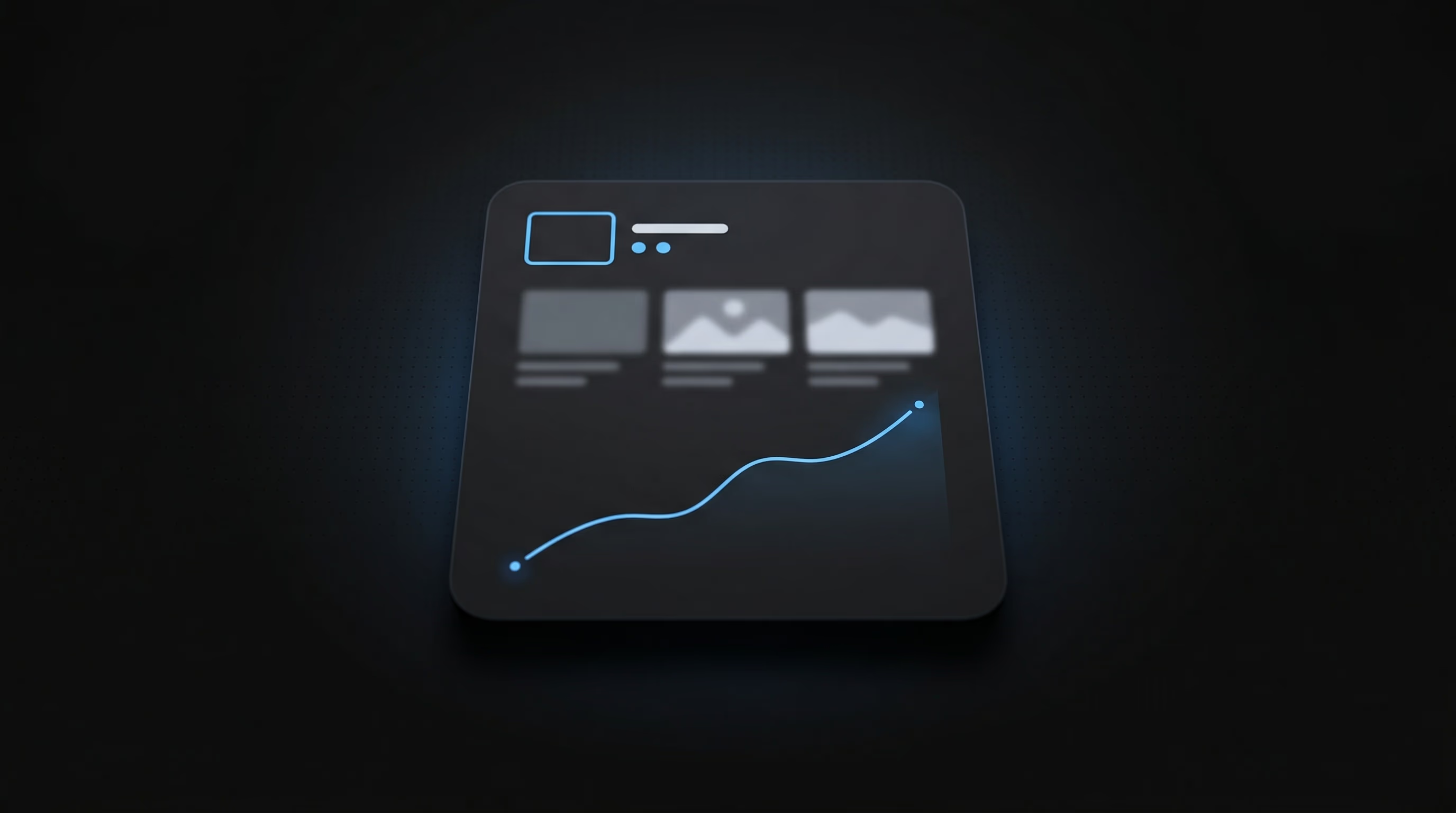
The landing page—not just the ad—drives results.
If your competitor research stops at creatives, you are studying half the system.
This gap is explored further in Why Facebook Ads Competitor Analysis Is Broken (And How to Fix It), which explains why ad-level analysis often leads to misleading conclusions.
Where Landing Pages Actually Hide (And Why Teams Miss Them)
Instead of saving screenshots, the team began following the full journey.
Picking one competitor ad, they traced the path manually.
What they found changed everything.
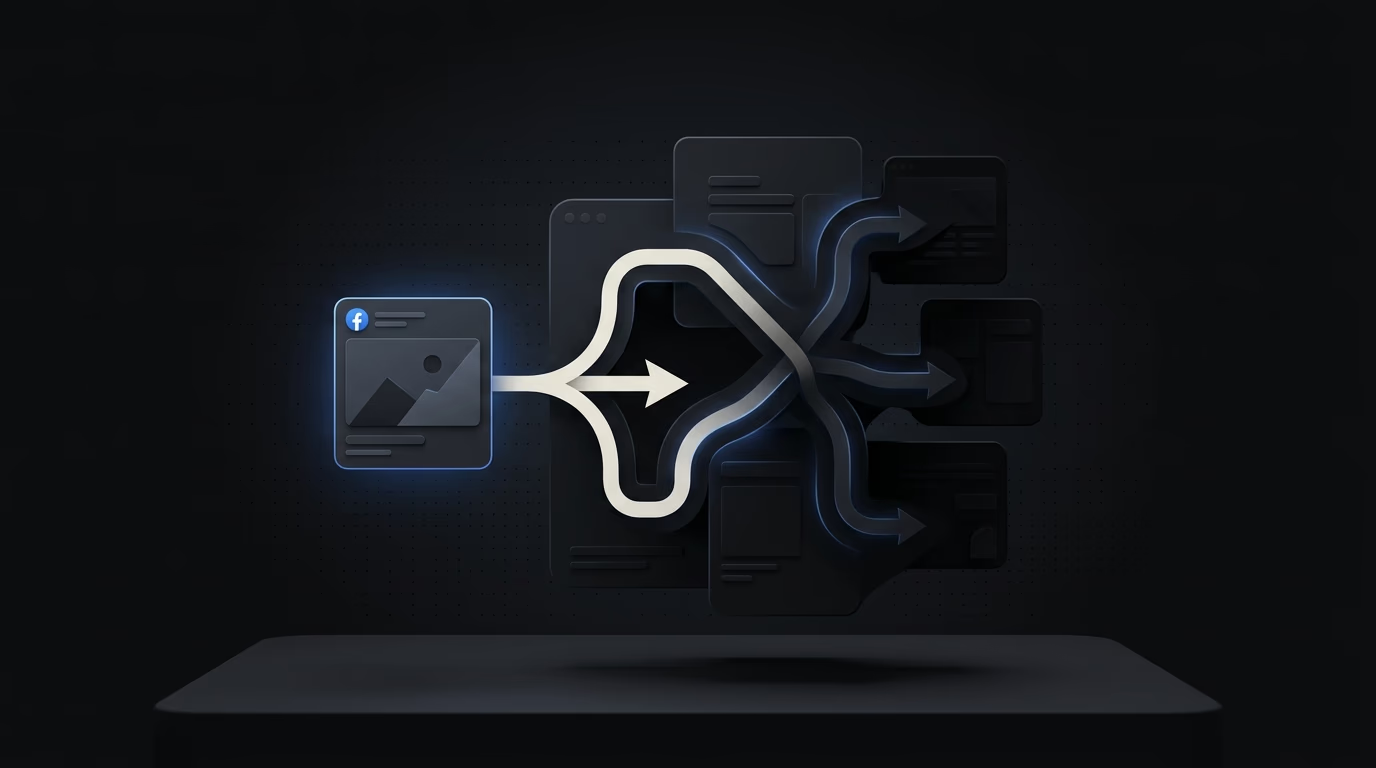
One ad did not lead to one page.
It led to several.
Behind a single Facebook ads creative were:
- Three different landing pages depending on geography
- Device-specific page layouts
- A hidden pre-sell quiz
- Dynamic headlines triggered by UTM parameters
- Shorter pages for returning visitors
None of this appeared inside the Meta Ad Library.
Landing pages are often:
- Dynamically generated
- Personalized by traffic segment
- Routed through redirect scripts
- Tested across multiple variants
This is why teams struggle to replicate competitor performance. The visible ad is just the entry point.
The Manual Workflow for How to Find Competitor Facebook Ad Landing Pages
The team shifted from cataloging ads to cataloging destinations.
Step 1: Capture live ad links
They opened ads and clicked through to capture full destination URLs, including tracking parameters.
Step 2: Strip and test variations
Removing parameters revealed hidden page versions and dynamic behavior.
Step 3: Simulate user conditions
They tested across devices, browsers, locations, and sessions to uncover personalization.
Step 4: Map downstream funnel steps
They documented the full journey:
- Pre-sell pages
- Demo flows
- Pricing pages
- Checkout sequences
The insight: you are not just finding a page—you are reconstructing a funnel.
Mini Example: Deconstructing One Competitor Journey Into Multiple Tests
One competitor ad promised:
“Reduce reporting time by 50%.”
Landing page analysis revealed three variants:
- Direct demo page
- Narrative pre-sell page
- Interactive calculator
Instead of copying, the team extracted structure.
They built three tests.
Variation C—the calculator—won.
The lesson: performance came from the experience behind the ad, not the ad itself.
More breakdowns like this appear in Analyzing Competitor Facebook Ads Is a Waste of Time (Unless You Do This Instead).
The Repeatable System: How to Find Competitor Facebook Ad Landing Pages at Scale
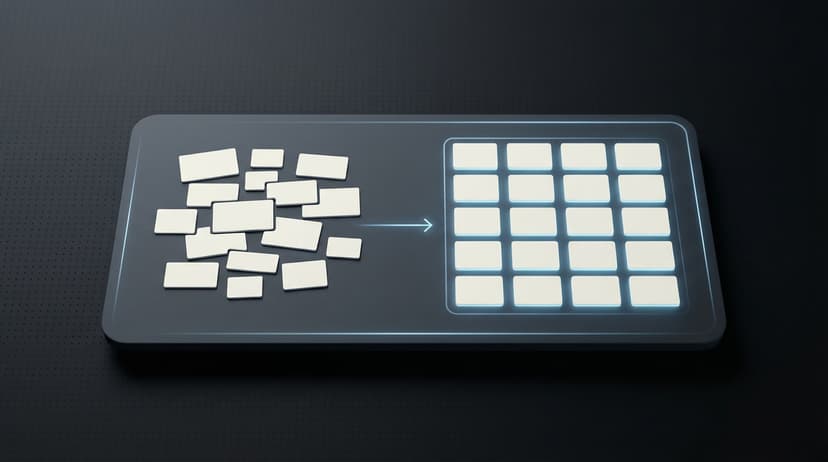
1. Build a structured swipe database
They logged:
- URL variations
- Funnel stage
- CTA type
- Messaging angle
2. Standardize testing environments
Consistent testing ensured reliable insights.
3. Break pages into components
They analyzed:
- Headlines
- CTAs
- Social proof
- Layout
4. Map full funnel paths
Each journey became a dataset.
5. Turn insights into hypotheses
Every observation became a test.
Without this step, research stays theoretical.
Why Most Competitor Analysis Tools Stop Short
Many assume tools solve this problem.
They don’t fully.
Madgicx
Madgicx focuses on optimization and dashboards, not full funnel reconstruction.
Revealbot
Revealbot excels in automation but lacks landing page mapping depth.
Sotrender
Sotrender provides analytics but not actionable funnel breakdowns.
These tools answer:
“What ads exist?”
But not:
“Where do they lead and why do they convert?”
Uploader Workflow: Scaling Landing Page-Inspired Variations with Instrumnt
Once insights were clear, execution became the bottleneck.
The team built a system using AI, Claude Code, and Instrumnt.
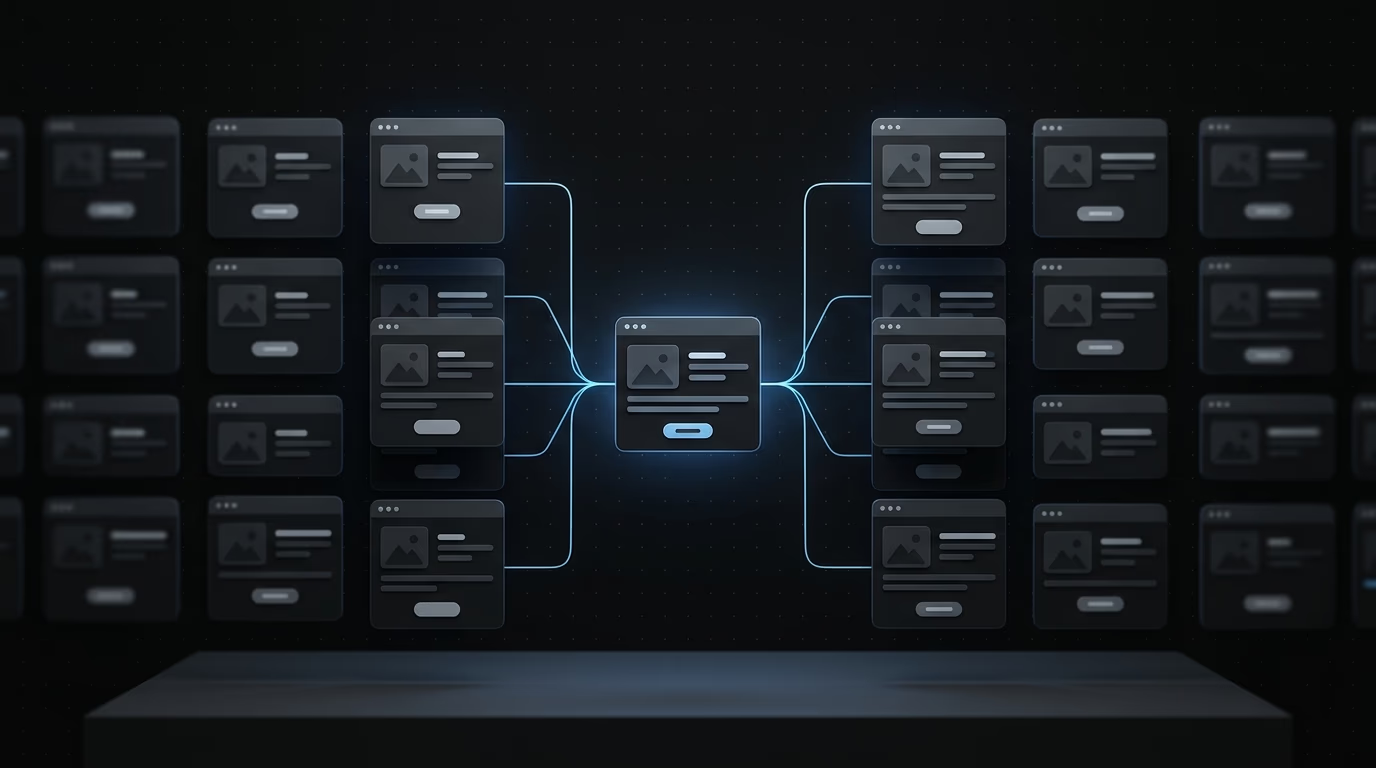
Workflow:
- Input: landing page insights
- Transformation: Claude Code structures prompts
- Generation: AI creates variations
- Execution: Facebook ads uploader launches campaigns via Instrumnt
- Feedback: performance informs next cycle
Results:
- Ads/week: 6 → 30+
- Time per ad: 20 min → 3 min
- Variations tested: 2 → 8+
The Facebook ads uploader didn’t improve performance directly.
It increased speed.
And speed compounds.
Salesforce reports that high-performing teams are 1.5× more likely to use AI in marketing, reinforcing the advantage of automation.
For deeper execution systems, see How to Build a Facebook Ads Bulk Testing System with Instrumnt and Claude Code.
Closing the Loop: From Competitor Visibility to Faster Experimentation
The team stopped asking:
“What ads are competitors running?”
They started asking:
“What conversion systems are they testing?”
Their system became:
- Continuous discovery
- Structured insights
- High-speed testing
- AI-driven feedback loops
Next Steps: Using AI to Accelerate Full-Funnel Learning
By the end of the quarter, they had built a full engine around how to find competitor facebook ad landing pages.
AI changed the economics of experimentation.
They could:
- Extract patterns automatically
- Cluster messaging
- Generate creatives instantly
- Launch via Instrumnt
The result wasn’t just better Facebook ads.
It was faster learning.
And faster learning wins.
If your process still ends at the Meta Ad Library, you are missing the system behind the ad.
Common questions about how to find competitor facebook ad landing pages
Can I legally view competitor Facebook ad landing pages?
Yes. You are accessing publicly available pages through normal user flows. Avoid scraping or violating platform terms.
What tools help map competitor landing pages efficiently?
Manual workflows remain essential, but tools like Madgicx, Revealbot, and Sotrender can support ad discovery and performance benchmarking.
How do I integrate landing page insights into my own ad testing workflow?
Structure insights, convert them into hypotheses, and use systems like a Facebook ads uploader combined with AI and Claude Code to execute at scale.
For more context, see Meta Ads Guide.
For more context, see Meta Blueprint.
For more context, see Meta for Business Help Center.