Why Facebook Ads performance often stalls because of workflow constraints instead of creative quality
Many marketing teams assume disappointing Facebook Ads results come from weak concepts, inaccurate targeting, or insufficient budget. Those factors certainly influence outcomes, but they are often secondary to an operational issue that receives far less attention: the creative workflow.
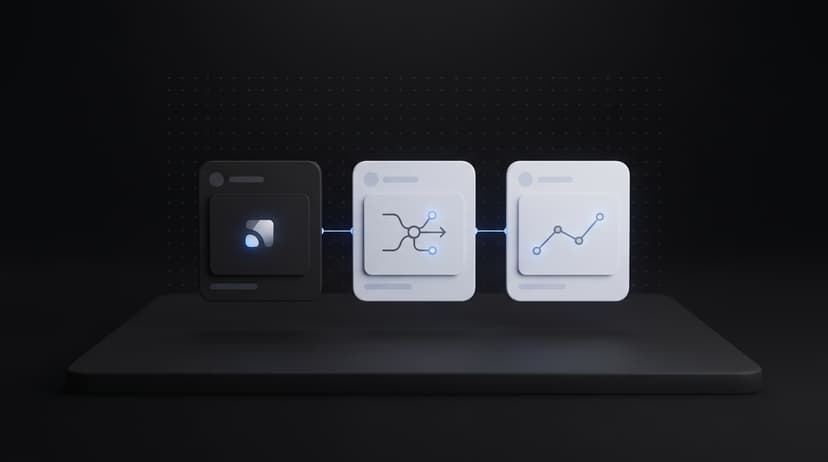
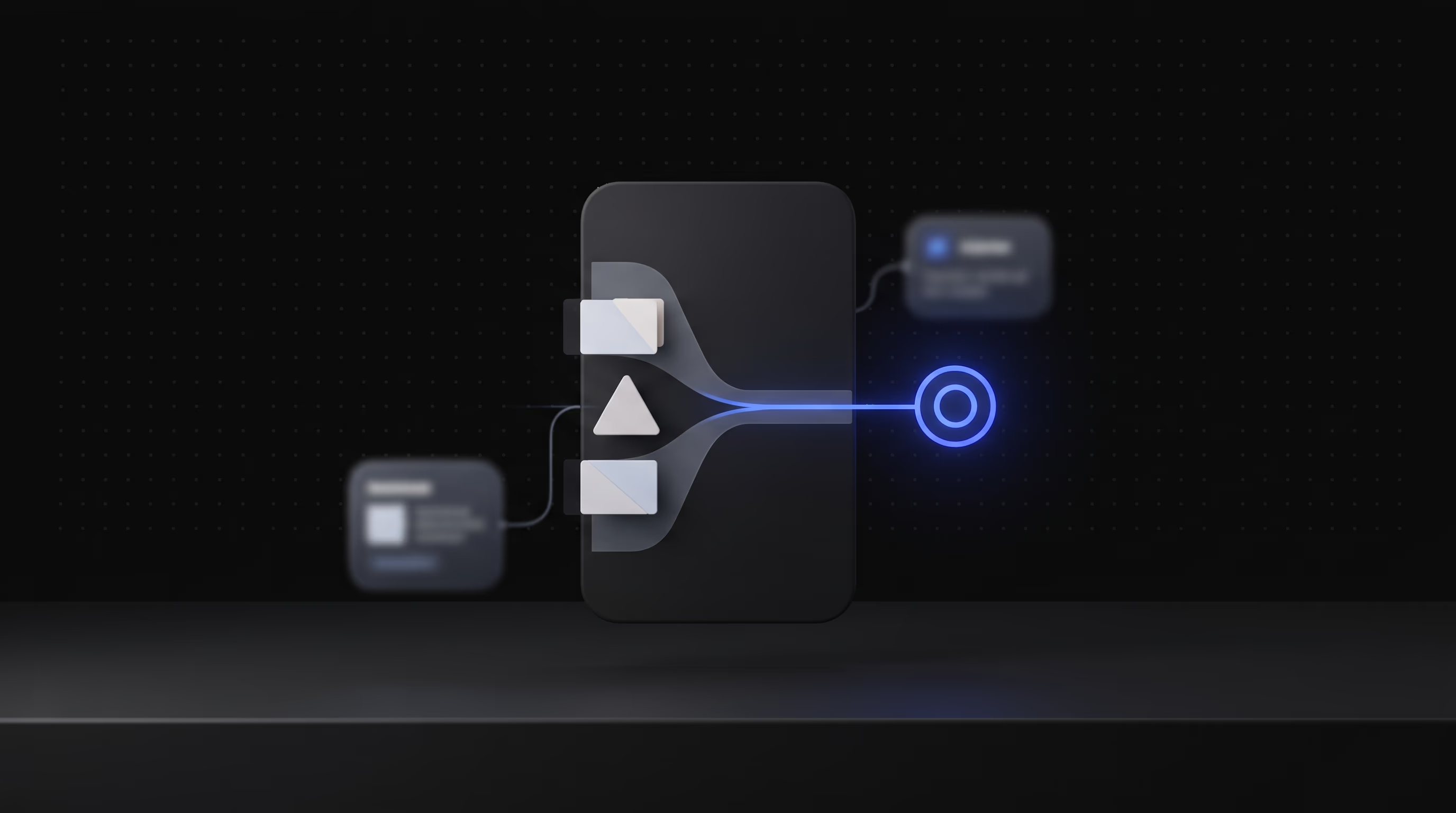
A facebook ads creative workflow bottleneck appears when approvals, asset preparation, QA, metadata, naming conventions, and deployment cannot keep pace with creative production. Designers complete assets while media buyers wait for missing files. Review cycles extend for days. Campaign launches miss testing windows, slowing optimization before creative quality can even be evaluated.
Meta recommends refreshing creative regularly because repeated exposure contributes to ad fatigue and reduced responsiveness, making continuous experimentation an operational requirement rather than an occasional exercise. According to Meta's advertising guidance, advertisers should continuously introduce new creative variations instead of relying on a handful of winners. Source: Meta Business Help Center.
Industry data reinforces the need for systematic testing. WordStream's Facebook Ads Benchmarks reported an average click-through rate of approximately 0.90% across industries and an average conversion rate of roughly 9.21%, illustrating significant differences between advertisers and emphasizing the value of frequent experimentation rather than assumptions. Source: WordStream Facebook Ads Benchmarks.
The lesson is straightforward: organizations capable of launching more high-quality experiments gather more learning. Organizations slowed by operational friction collect less data, optimize more slowly, and frequently mistake workflow limitations for creative limitations.
For related strategies, see Breaking the Creative Bottleneck: How One Growth Team Scaled Facebook Ads Throughput with AI and Automate Creative Testing for Meta Ads.
How to identify the operational bottlenecks reducing creative testing velocity
The fastest way to improve workflow is to measure every stage between idea creation and campaign launch.
Track when briefs are approved, production starts, revisions occur, QA completes, metadata is finalized, uploads begin, and campaigns become live.
Common warning signs include:
- Designers waiting days for approvals.
- Manual asset renaming before upload.
- Missing metadata delaying deployment.
- Brand reviews occurring after production.
- Duplicate campaign setup.
- Creative feedback arriving weeks after campaigns launch.
- Teams recreating naming conventions from scratch.
Rather than treating these as isolated mistakes, treat them as indicators that the operating system itself requires improvement.
Measuring the Creative Velocity Score for Facebook Ads teams
Creative Velocity Score is an operational KPI designed to separate workflow problems from creative performance problems.
Example inputs include:
- Asset readiness time.
- Approval latency.
- QA failure rate.
- Upload throughput.
- Weekly launches.
- Testing cadence.
- Percentage of planned creatives successfully deployed.
Combined with CPA, CTR, ROAS, conversion rate, and revenue metrics, Creative Velocity Score helps explain whether campaigns underperformed because ideas were weak or because too few ideas actually reached production.
Organizations with identical budgets often generate dramatically different outcomes simply because one launches three or four times as many experiments every month.
Mapping the end-to-end creative workflow from ideation to Facebook Ads deployment
High-performing organizations standardize operations without reducing creativity.
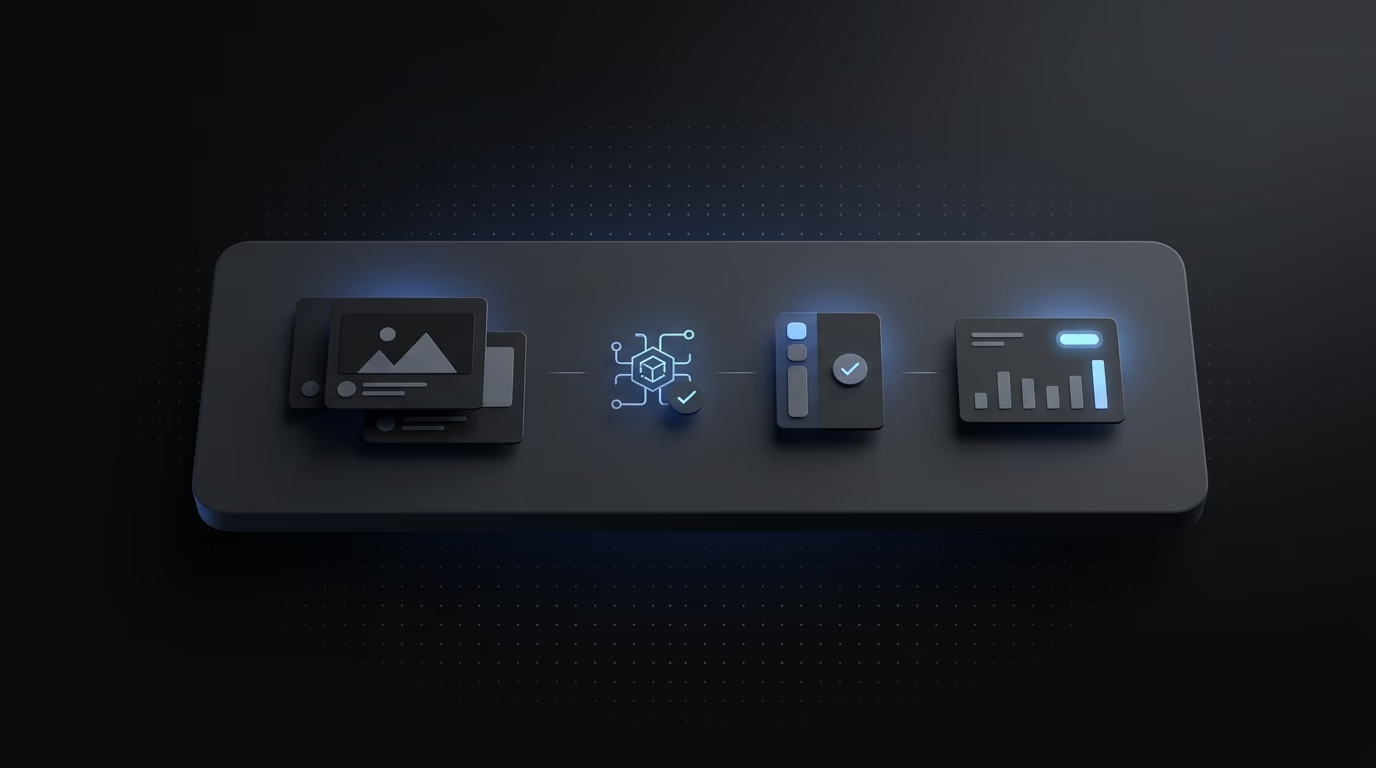
A mature workflow typically includes:
- Brief creation.
- Creative production.
- Version control.
- AI validation.
- Naming convention enforcement.
- Stakeholder approval.
- Metadata preparation.
- Facebook ads uploader preparation.
- QA validation.
- Campaign deployment.
- Performance reporting.
- Feedback into the next creative cycle.
Instrumnt helps connect these operational stages into repeatable systems instead of disconnected manual activities.
The Facebook ads uploader stage becomes substantially faster when upstream metadata, naming standards, approval workflows, and validation rules are already standardized.
Readers interested in broader workflow design may also find Facebook Ad Creative Workflow: An Operational Guide for Faster Launches and Better Team Coordination useful.
Practical implementation checklist for removing workflow friction
Many teams know where delays occur but struggle to prioritize improvements. A structured implementation checklist helps convert observations into measurable operational gains.
Begin by documenting every approval, file handoff, and manual task that occurs before creatives reach Meta. Assign an owner for each stage and record the average completion time. Once the baseline exists, identify repetitive work that can be standardized.
Examples include automatically validating file names, confirming destination URLs, checking aspect ratios, verifying required metadata, and generating upload manifests before campaigns are prepared.
Introduce service-level targets for approvals, establish reusable templates for recurring campaign types, and create a single source of truth for creative assets. When every stakeholder follows the same workflow, deployment becomes more predictable and testing volume naturally increases.
Review Creative Velocity Score monthly alongside business metrics. If throughput improves but campaign efficiency does not, investigate creative quality. If creative quality improves but launch volume remains low, continue optimizing operations instead of producing additional concepts.
Comparing workflow platforms by operational maturity
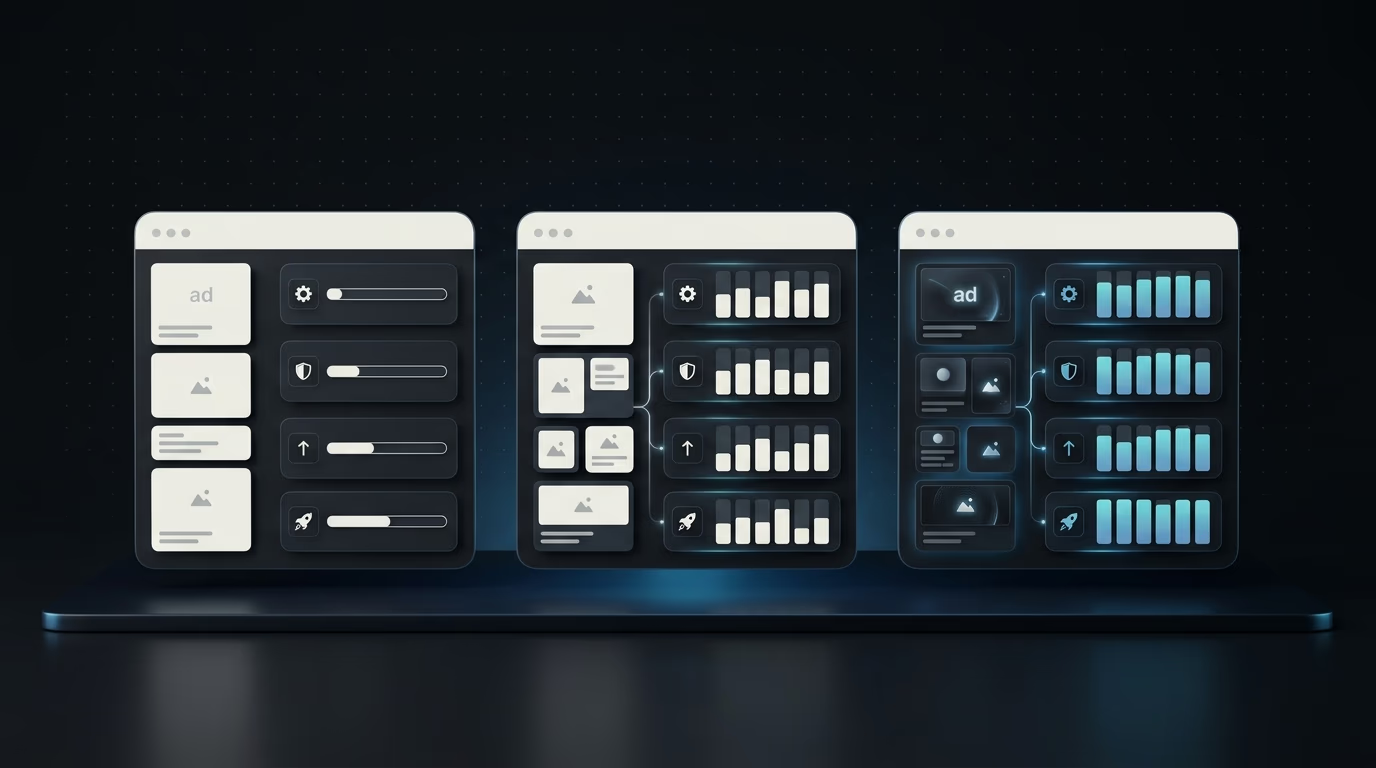
Different organizations require different workflow capabilities.
Ads Uploader primarily accelerates deployment by reducing repetitive publishing work. Teams gain the greatest benefit when upstream workflow processes are already standardized.
Smartly.io focuses on enterprise automation, governance, collaboration, and large-scale workflow management suitable for organizations operating across multiple brands or regions.
AdEspresso simplifies campaign management for smaller teams that prioritize usability and rapid execution over enterprise governance.
Rather than asking which platform is universally best, organizations should compare governance requirements, operational maturity, implementation complexity, scalability, workflow flexibility, and automation depth.
Applying Claude Code and AI-driven workflow validation before launch
Claude Code and AI can automate many repetitive validation tasks before campaigns reach Meta.
Useful validation includes:
- Campaign naming checks.
- Metadata validation.
- Destination URL verification.
- Image specification checks.
- Video specification validation.
- Missing asset detection.
- Creative manifest generation.
- Duplicate creative identification.
- Automated deployment readiness scoring.
Instead of replacing marketers, AI removes repetitive administrative work while preserving human decision making.
Instrumnt coordinates these automated validation steps alongside deployment workflows, allowing creative teams to spend more time creating experiments and less time correcting preventable operational errors.
Building an operational improvement roadmap with measurable KPIs
Start with documentation before automation.
Measure current approval times, upload delays, QA failures, deployment throughput, and testing frequency.
Then improve incrementally:
- Standardize naming conventions.
- Reduce approval layers.
- Introduce AI validation.
- Build reusable templates.
- Connect production with deployment.
- Measure Creative Velocity Score monthly.
- Create continuous feedback loops between creative and media buying teams.
- Review operational metrics alongside marketing performance every sprint.
Small operational improvements frequently increase testing capacity more effectively than hiring additional staff.
Organizations that consistently remove friction launch more experiments, gather more learning, and improve Facebook Ads performance through faster iteration instead of simply increasing advertising budgets.
Common questions about facebook ads creative workflow bottleneck
What is the biggest creative workflow bottleneck in Facebook Ads teams?
Approval delays, inconsistent asset preparation, disconnected systems, manual deployment, and poor metadata management frequently prevent enough creative variations from reaching live campaigns.
How can Claude Code improve Facebook Ads creative operations?
Claude Code can generate structured manifests, validate campaign naming, automate QA rules, verify required metadata, identify missing assets, and standardize repeatable workflow processes before deployment.
When should a marketing team use a Facebook ads uploader instead of manual campaign publishing?
A Facebook ads uploader becomes increasingly valuable once campaign volume grows beyond occasional publishing. Teams managing frequent launches, multiple creative variations, or complex approval processes benefit from standardized deployment, reduced manual effort, and greater operational consistency.
For more context, see Meta Partner Directory.
For more context, see Meta Marketing API documentation.
For more context, see AdEspresso.