
Introduction: The Hidden Bottleneck in Facebook Ads Creative Testing
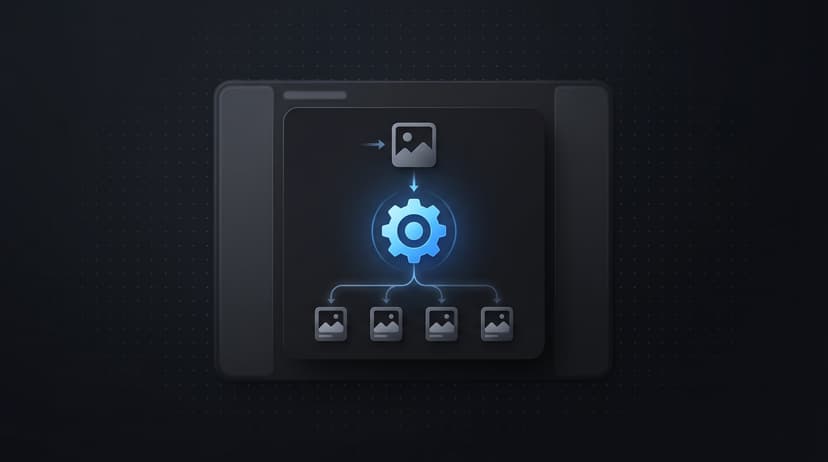
Facebook ads creative testing automation is no longer a “nice-to-have”—it’s the difference between stagnant campaigns and scalable growth. Most teams still rely on manual workflows: editing variations one by one, uploading creatives individually, and waiting days for results before iterating.
That process simply doesn’t match how fast creative performance decays today.
According to Meta, creative is responsible for over 50% of ad performance outcomes (Meta Marketing Science, 2023). At the same time, internal Meta data has shown that ad creative fatigue can reduce performance within days, not weeks, forcing teams to constantly refresh creatives to maintain efficiency.
The problem isn’t just creative quality—it’s creative velocity. If you can’t produce, test, and iterate fast enough, you lose.
Why Creative Testing Is the Bottleneck in Facebook Ads
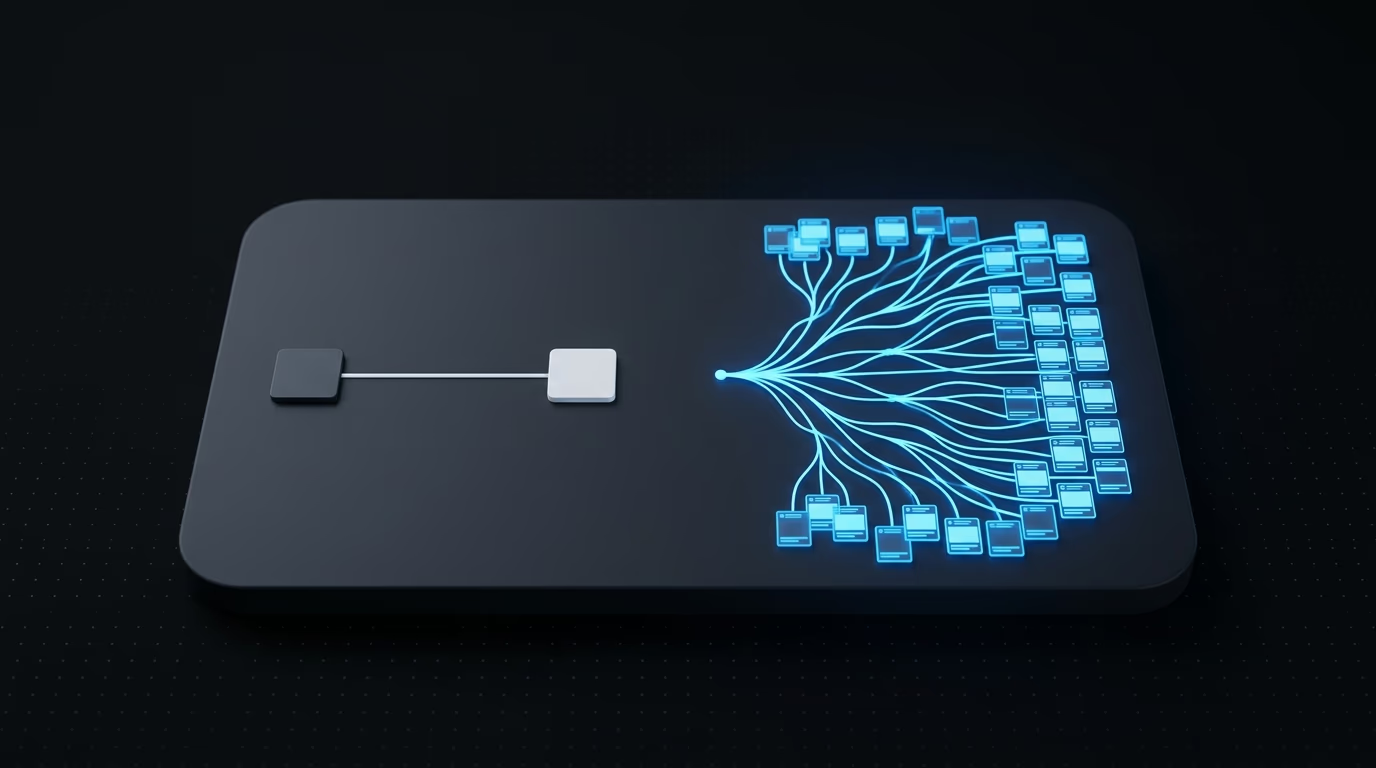
Manual creative testing introduces friction at every step:
- Writing and editing variations
- Uploading creatives one by one
- Setting up campaigns manually
- Waiting for statistically meaningful results
Even if each ad only takes 20 minutes to prepare, testing 50 variations quickly becomes a full-day task. Multiply that across multiple campaigns and audiences, and your team is stuck in production mode instead of optimization mode.
This creates a dangerous lag:
- By the time you identify a winning ad, performance has already declined
- Your cost per acquisition (CPA) increases
- You miss scaling windows
A Nielsen study found that creative quality drives up to 47% of sales lift in digital campaigns (Nielsen, 2022). But quality alone isn’t enough—you need volume and speed to discover that quality.
Without automation, most teams simply can’t test enough ideas fast enough to win.
How Automation Transforms Creative Testing Speed and Scale
Automation eliminates the manual bottlenecks that slow down Facebook ads workflows.
Instead of building ads one by one, tools like Instrumnt and a Facebook ads uploader allow you to:
- Generate dozens of variations from structured inputs
- Upload creatives in bulk
- Standardize naming, tracking, and formatting
- Launch tests in minutes instead of hours
This shift changes everything.
Teams using structured automation workflows often reduce ad production time by 80–90%, based on internal performance benchmarks across high-volume advertisers. That time savings directly translates into more experiments, faster insights, and better outcomes.
More importantly, automation enables parallel testing.
Instead of testing:
- 3–5 variations per week
you can test:
- 50–100 variations per week
That increase in testing velocity is what drives exponential performance gains.
If you want a deeper breakdown of how these systems work in practice, see How to Automate Facebook Ads Creative Generation and Speed Up Your Workflow.
The Power of AI in Accelerating Creative Iteration
Automation solves speed—but AI solves iteration.
This is where tools like Claude Code become critical.
AI doesn’t just generate random variations. It:
- Analyzes past performance data
- Identifies patterns in winning creatives
- Recombines high-performing elements
- Produces new variations aligned with what works
For example, after testing 50 ads, AI can identify:
- Which hooks drive the highest CTR
- Which visual styles reduce CPA
- Which CTAs improve conversion rates
Then it uses those insights to generate the next batch of creatives automatically.
This creates a feedback loop:
- Launch creatives
- Collect performance data
- AI analyzes results
- Generate improved variations
- Repeat
According to a McKinsey report, companies using AI-driven marketing optimization see 10–20% increases in marketing ROI on average (McKinsey, 2023).
When applied to Facebook ads creative testing automation, that impact compounds quickly because every iteration builds on the last.
If you’re still manually deciding what to test next, you’re slowing down a process that AI can handle continuously.
Competitor Comparison: Ads Uploader vs. Smartly.io vs. Hootsuite Ads
Choosing the right tools matters because not all automation platforms are built for high-velocity testing.
Here’s how the main options compare:
Ads Uploader
Ads Uploader is built for speed and simplicity. It allows teams to bulk upload Facebook ads using structured templates.
Strengths:
- Fast setup for large batches
- Easy to integrate into workflows
- Ideal for teams transitioning from manual processes
Limitations:
- Limited iteration logic
- Minimal AI-driven optimization
Smartly.io
Smartly.io is a powerful enterprise-grade platform designed for large-scale advertisers.
Strengths:
- Advanced automation rules
- Cross-platform campaign management
- Built-in creative optimization tools
Limitations:
- High cost
- Steep learning curve
- Overkill for smaller teams
Hootsuite Ads
Hootsuite Ads focuses on cross-platform ad management with some automation features.
Strengths:
- Centralized dashboard
- Multi-channel campaign control
Limitations:
- Less specialized for creative testing
- Limited depth in iteration workflows
Instrumnt
Instrumnt is designed specifically for Facebook ads creative testing automation.
Strengths:
- Built for high-volume testing
- Structured creative generation
- Seamless integration with AI tools like Claude Code
Limitations:
- Requires a process-driven mindset
The key takeaway: most tools help you manage ads, but fewer help you systematically generate and iterate creatives at scale.
For a deeper look at why most tools fall short, read Why Most Facebook Ads Automation Tools Are Doing It Wrong (And How Instrumnt Does It Right).
Building a Creative Testing Pipeline That Never Stops
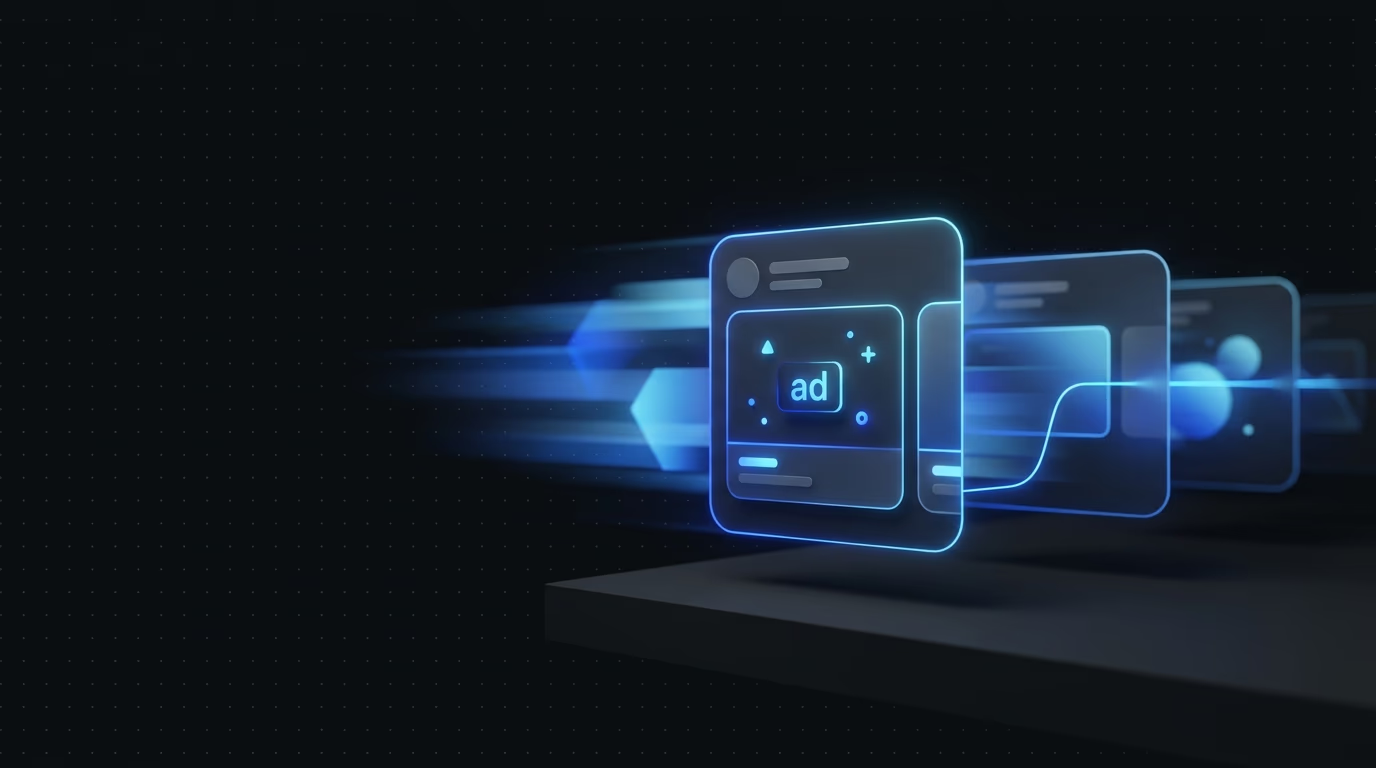
A high-performing Facebook ads system isn’t built on one-off tests—it’s built on a continuous pipeline.
Here’s what that looks like in practice:
1. Batch Creative Production
Start by generating large sets of creatives at once:
- 10 hooks
- 5 visuals
- 3 CTAs
This alone gives you 150 combinations.
2. Automate Setup with a Facebook Ads Uploader
Use a Facebook ads uploader to:
- Bulk upload creatives
- Standardize campaign structure
- Eliminate repetitive setup work
3. Define Testing Windows
Run ads for 3–5 days to gather meaningful data. Avoid premature optimization.
4. Analyze and Feed AI
Export performance data and feed it into Claude Code or your AI workflow.
Let AI identify:
- Winning patterns
- Underperforming variables
5. Generate the Next Iteration
Use AI to produce improved variations automatically.
6. Repeat Indefinitely
This creates a self-improving system where each cycle is smarter than the last.
If you want a real-world breakdown of this approach, see A Real Facebook Ads Testing Workflow: How One Team Scaled Creative Experiments Without Slowing Down.
Common Mistakes That Kill Creative Testing Velocity
Even with the right tools, many teams fail to scale because of process mistakes:
Testing Too Few Variations
If you’re only testing a handful of ads, you’re limiting your upside.
Over-Optimizing Too Early
Killing ads too quickly prevents statistically meaningful insights.
Separating Creative and Data
Your creative team and performance team should not operate in silos. AI bridges this gap.
Ignoring Workflow Design
Tools don’t fix broken processes. Your system needs to be designed for speed and iteration.
Conclusion: From Manual Bottlenecks to Exponential Creative Throughput
The future of Facebook ads belongs to teams that move faster than creative fatigue.
Manual workflows can’t keep up with:
- Shorter creative lifespans
- Increased competition
- Higher testing demands
Facebook ads creative testing automation changes the game by:
- Increasing output
- Reducing manual work
- Enabling AI-driven iteration
When you combine:
- A Facebook ads uploader
- AI tools like Claude Code
- A structured system like Instrumnt
You unlock a compounding advantage.
You’re no longer guessing what works—you’re building a machine that discovers it for you.
For more perspective on where this is heading, read The Future of Facebook Ads Testing: Automation Over Manual Optimization.
FAQ
What is Facebook ads creative testing automation and why does it matter?
Facebook ads creative testing automation is the use of tools and AI to generate, launch, and optimize ad variations automatically. It matters because it dramatically increases testing speed and improves performance outcomes.
Which tools are best for automating Facebook ad creative testing?
Top tools include Instrumnt, Ads Uploader, and Smartly.io. Each serves different needs, but Instrumnt is best suited for high-volume creative iteration.
How can AI and Claude Code help scale creative iterations efficiently?
Claude Code analyzes ad performance data and generates improved creative variations automatically. This allows teams to scale testing without increasing manual workload.
Related reading
- Why Your Creative Testing Is Failing (And How to Automate the Solution)
- Your Facebook Ad Creative Pipeline Is Broken—and AI Can Fix It
For foundational guidance, see Meta’s official A/B testing documentation.
For more context, see Meta Ads Guide.
For more context, see Meta Blueprint.
For more context, see Meta for Business Help Center.